


10 Secrets of Zagreb That Even Many Zagreb Locals Don’t Know
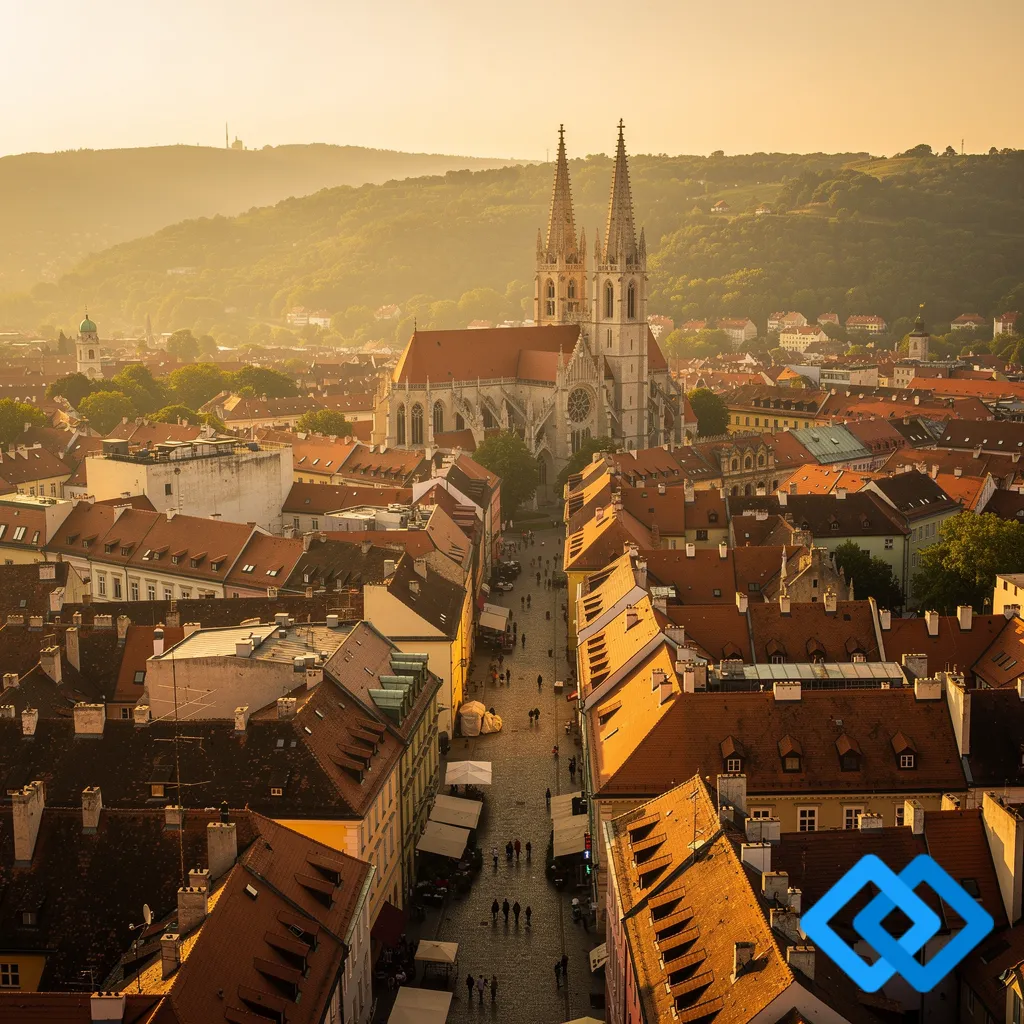
By Cowork Zagreb. Updated 2026-07-16
10 Secrets of Zagreb That Even Many Zagreb Locals Don’t Know: Hidden Places, Stories, and Fascinating Facts About the Capital
Zagreb is a city that does not reveal itself at first glance.
Most visitors are familiar with Ban Jelačić Square, the Cathedral, Ilica, Dolac Market, and a walk along Tkalčićeva Street. But beneath these well-known landmarks lies a completely different Zagreb—a city of secret passageways, forgotten stories, hidden courtyards, underground spaces, and unusual historical details that are often unknown even to people who have lived there their entire lives. Behind the façades of old buildings are stories of noblemen, artists, wars, legends, and the everyday lives of past generations. We pass some of these places every day without even knowing what history they conceal.
Zagreb is not only a city of history, culture, and hidden streets, but also a place where many professionals, entrepreneurs, freelancers, and digital nomads live, work, and create today. For those who want to better understand everyday life in Croatia’s capital, the guide on what life in Zagreb and working in Croatia are like is also worth exploring.
Here are 10 secrets of Zagreb that will reveal a completely new side of the city.
1. The Grič Cannon Is More Than Just a Tourist Attraction – Its Role Was Once Far More Serious
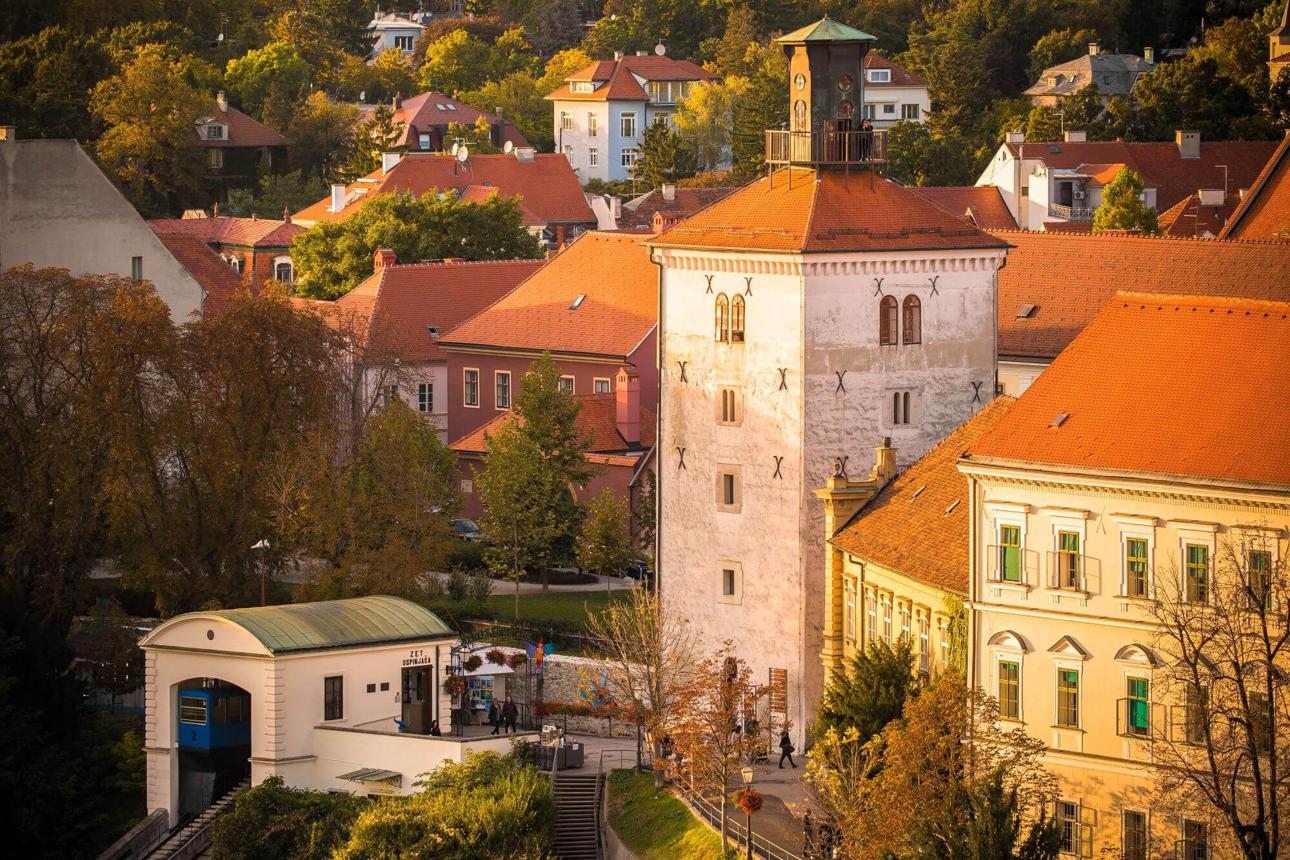
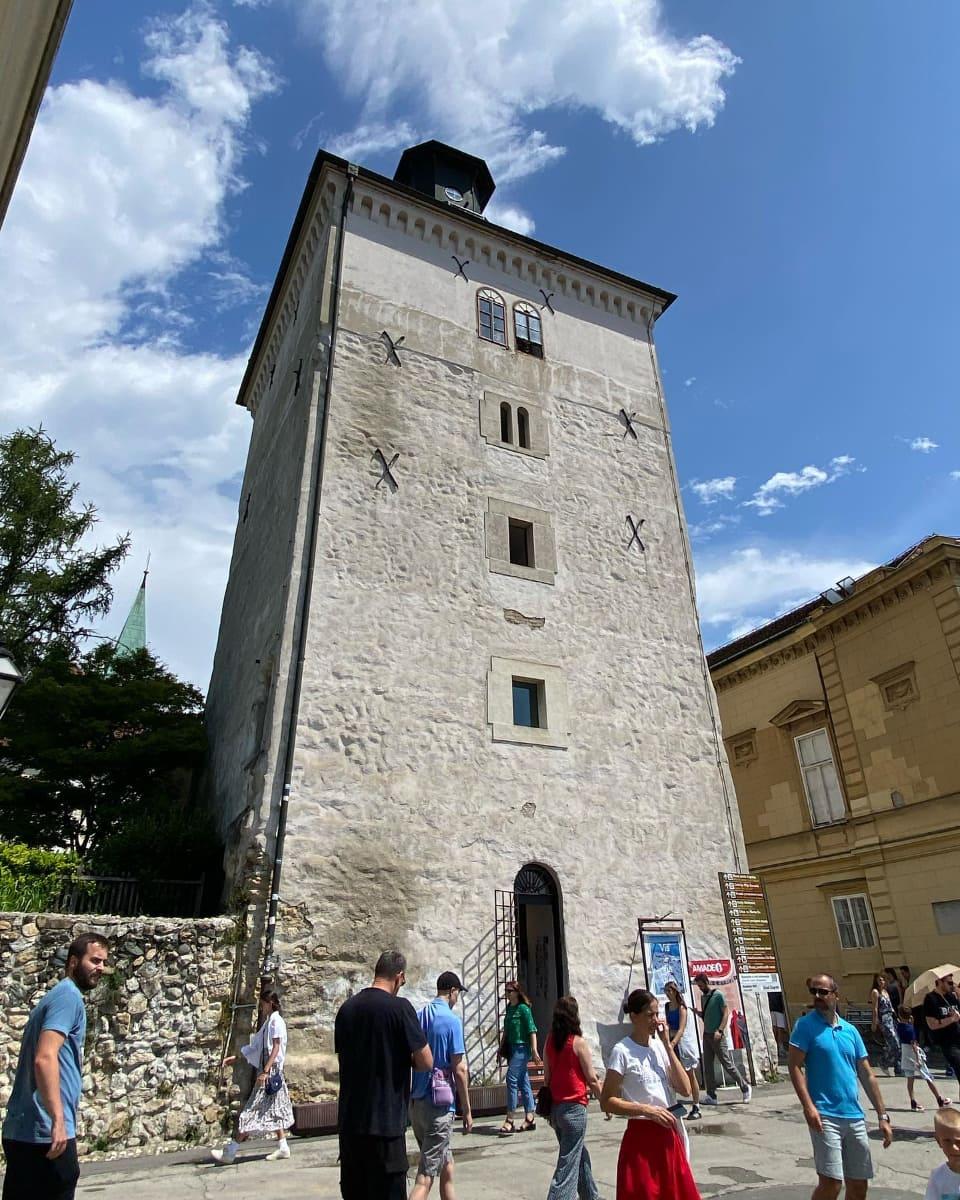
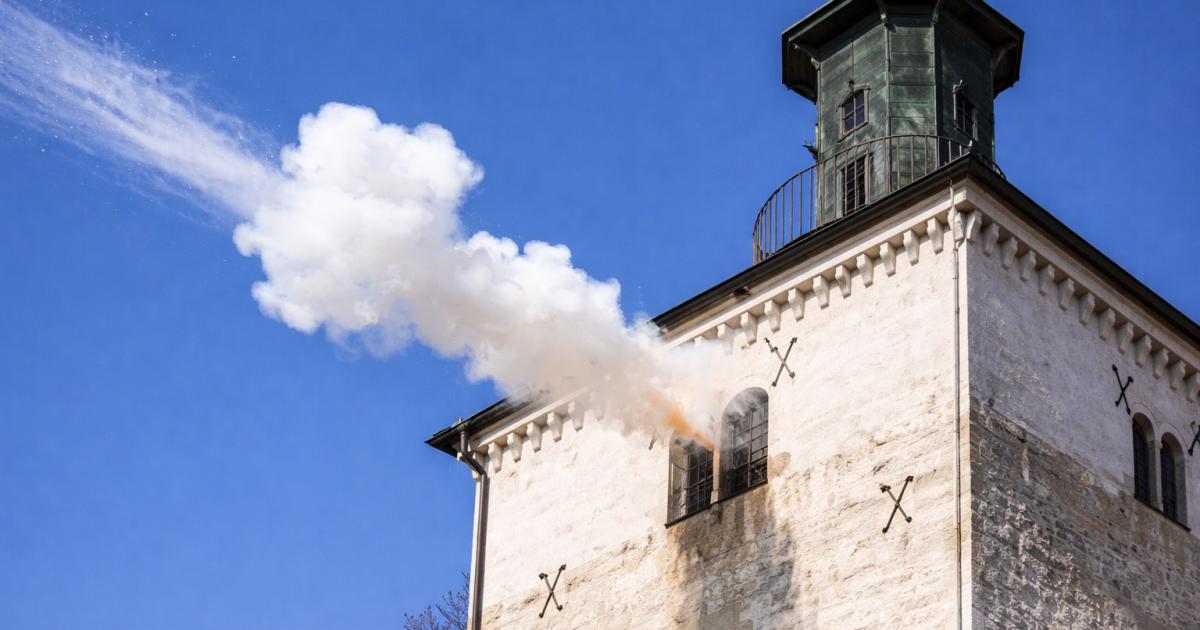
One of Zagreb’s most famous traditions is the firing of the Grič Cannon, which is heard every day at exactly noon from the Lotrščak Tower. Many Zagreb residents have grown accustomed to the sound, but few know the full story behind it.
The Lotrščak Tower was built in the 13th century as part of Gradec’s defensive system. Its main purpose was to protect the city from attack, while the tower’s bell warned residents that the city gates were about to close. The Grič Cannon was introduced later, in the 19th century, when it served as a kind of time signal. In the days before the clocks we know today, its daily firing allowed citizens and merchants to synchronize their time.
There is also a legend that a single shot from this cannon saved Zagreb from an Ottoman attack. According to the story, the cannonball struck a Turkish commander while he was having lunch near the Sava River, causing the army to retreat. Although historians consider this story to be a legend, it has become one of Zagreb’s most famous myths.
Interesting fact: Many people living in the surrounding buildings have spent decades hearing the cannon every day, and some even use it as the city’s most accurate “clock.”
2. Zagreb Has a Real Underground City
Beneath Zagreb’s busy streets lies a completely different world. When people talk about hidden Zagreb, many immediately think of the Grič Tunnel, but it is only one part of a vast network of underground spaces beneath the city.
The Grič Tunnel was built during World War II as an air-raid shelter for civilians. Today, it is a well-known cultural venue, but its history serves as a reminder of the turbulent periods Zagreb has experienced. Beyond the Grič Tunnel, however, the city hides numerous cellars, old passageways, and forgotten rooms beneath its historic buildings.
The basements of the Upper Town were once used to store food, wine, and merchants’ goods. Some buildings even feature passageways connecting different structures, allowing residents in the past to move between them without going outside. One particularly fascinating story is linked to old Zagreb and the historic cellars beneath Kaptol. Over the centuries, the city has grown on top of layers of older buildings, meaning that today’s residents often walk above spaces that have existed for hundreds of years.
Zagreb is, quite literally, a city built upon its own history.
3. One of Zagreb’s Most Beautiful Courtyards Is Hidden Behind an Ordinary Façade
One of Zagreb’s greatest charms is not its major landmarks, but the small places that are discovered by chance. The historic city center is full of hidden passageways and courtyards that are almost impossible to notice from the outside. Behind ordinary doors in the heart of the city, you will often find beautiful inner courtyards with gardens, old balconies, and architecture dating back centuries.
The courtyards of the Upper Town and the Lower Town are particularly fascinating, as they still preserve the atmosphere of old Zagreb. Many of them were once the center of everyday life, where neighbors gathered, children played, and craftsmen operated their workshops. Today, many of these courtyards remain largely unknown to the general public because they are not marked by prominent tourist signs. That is precisely why exploring Zagreb without a fixed itinerary often leads to the most rewarding discoveries.
Sometimes, all it takes is a glance through the open entrance of an old residential passageway.
4. Zagreb Has the “Shortest Street” and Some of the Most Unusual Streets in Croatia
Zagreb is known for its wide avenues and historic streets such as Ilica, Vlaška Street, and Tkalčićeva Street, but it also hides some truly unusual passageways. One interesting fact is that the city is home to numerous tiny streets, stairways, and passages that developed naturally over time rather than as part of large-scale urban planning.
The Upper Town is especially fascinating because of its narrow streets, which evoke the atmosphere of medieval Europe. Unlike the orderly street layout of the Lower Town, this area offers a glimpse of what Zagreb looked like several centuries ago. Among its most interesting locations are the Ivan Zakmardi Steps, popularly known as the Zakmardi Steps, which connect different levels of the Upper Town.
These passageways demonstrate that Zagreb is not only a city of broad, flat streets, but also a city of hidden corners waiting to be explored at a slower pace.
5. Zagreb Cathedral Hides Stories That Cannot Be Seen from the Outside
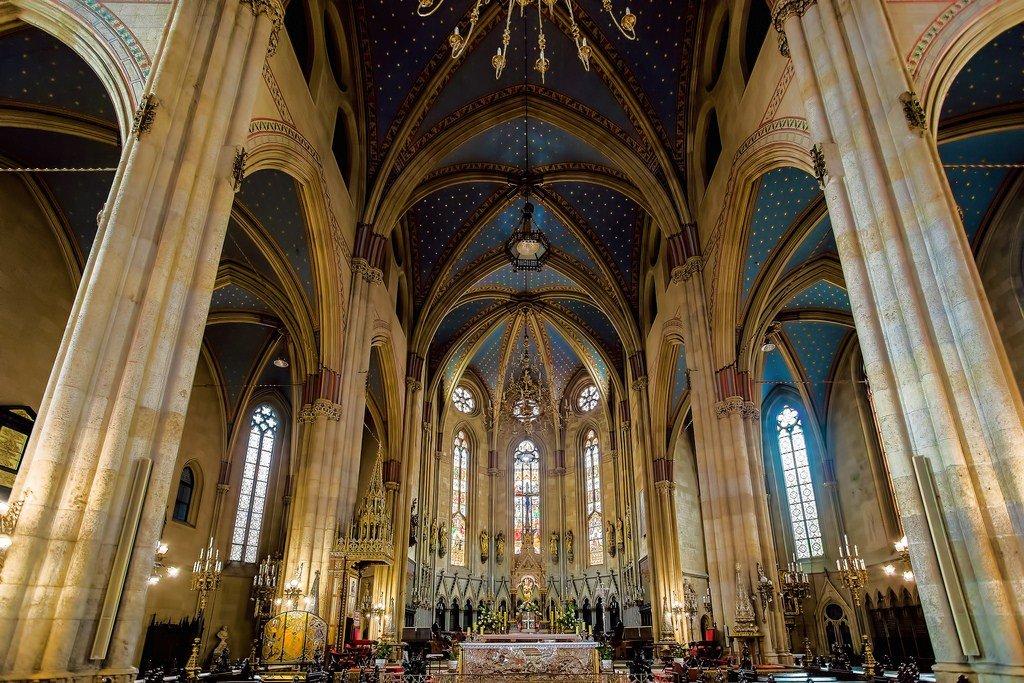
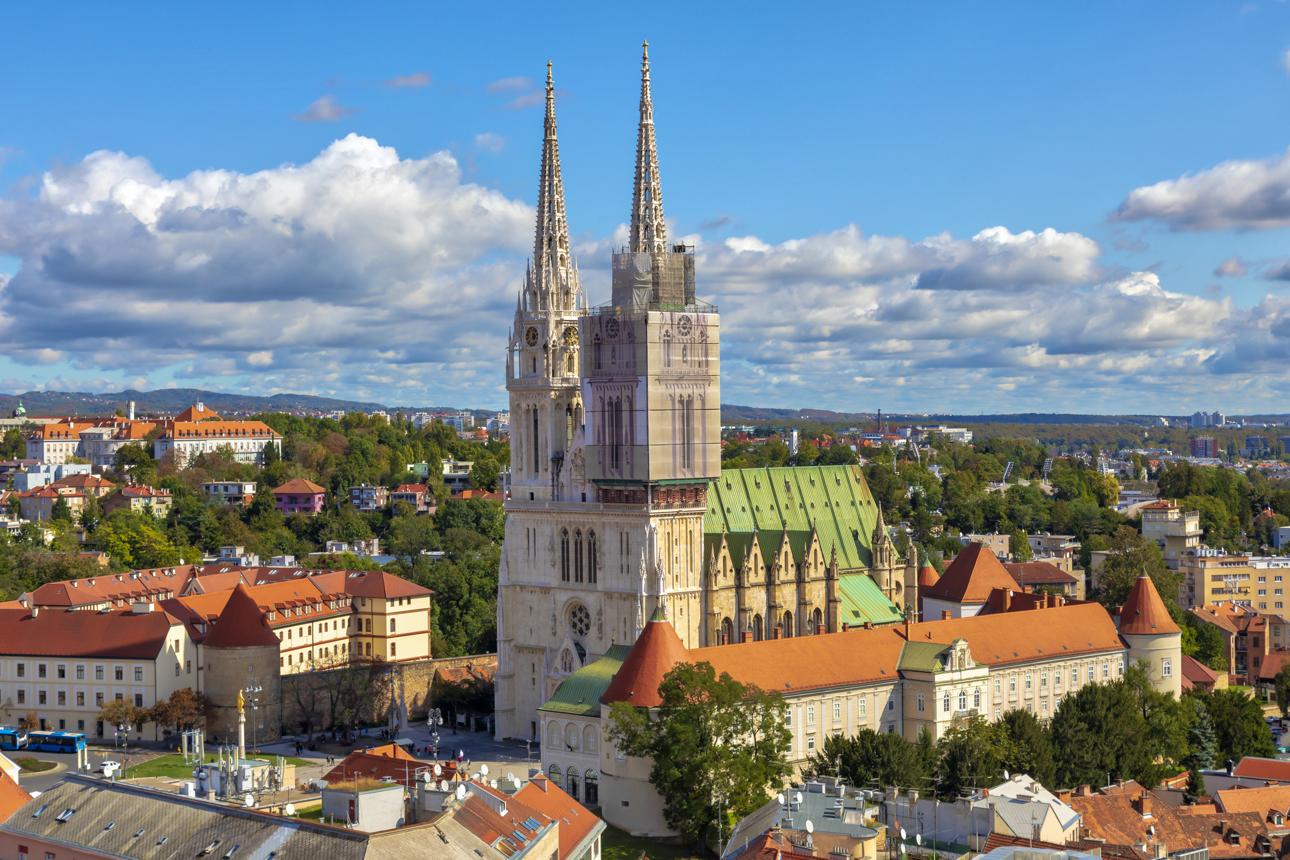
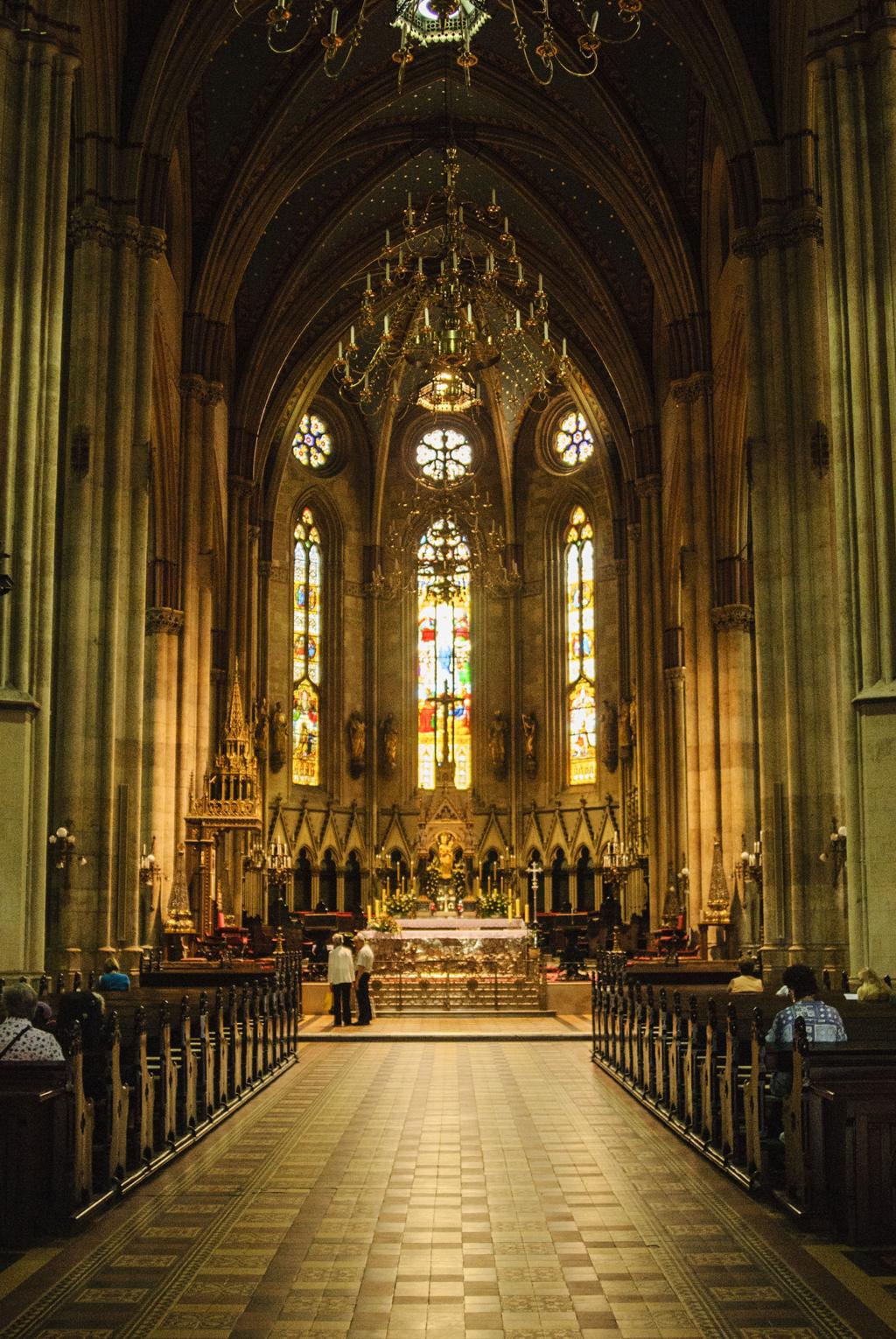
Zagreb Cathedral is one of the city’s most recognizable landmarks, but its history is far more dramatic than many people realize.
The Cathedral of the Assumption of the Blessed Virgin Mary and Saints Stephen and Ladislaus has been the center of Zagreb’s religious and cultural life for centuries. Throughout its history, it has suffered repeated damage from fires, wars, and earthquakes. Particularly significant was the Great Earthquake of 1880, which severely damaged Zagreb and led to the cathedral’s extensive restoration. What many people do not know is that beneath and around the cathedral lie layers of older structures and traces of medieval Zagreb’s development.
Kaptol, the area surrounding the cathedral, was once a separate settlement from Gradec. For centuries, the two communities existed side by side, often with strained relations, before eventually developing into the unified city of Zagreb. As a result, a walk today between Kaptol and the Upper Town is, in fact, a journey through the place where the foundations of the modern Croatian capital were formed.
6. Zagreb Was Once a City of Streams – and Many Still Flow Beneath the Streets Today
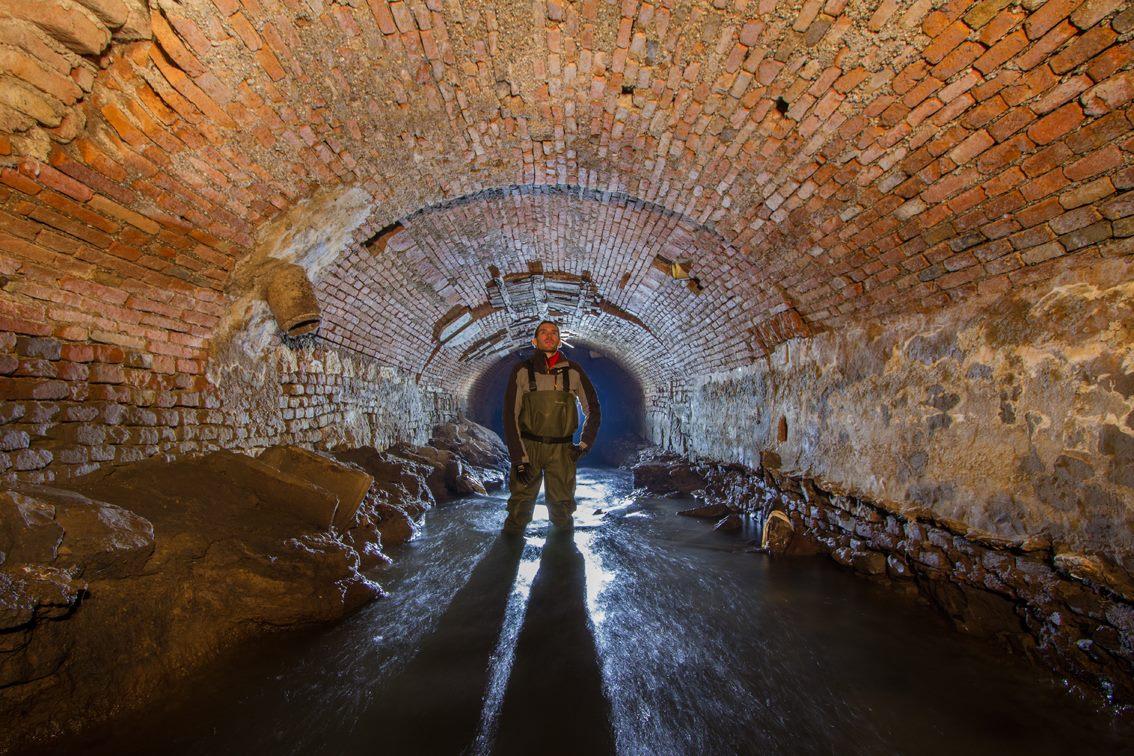
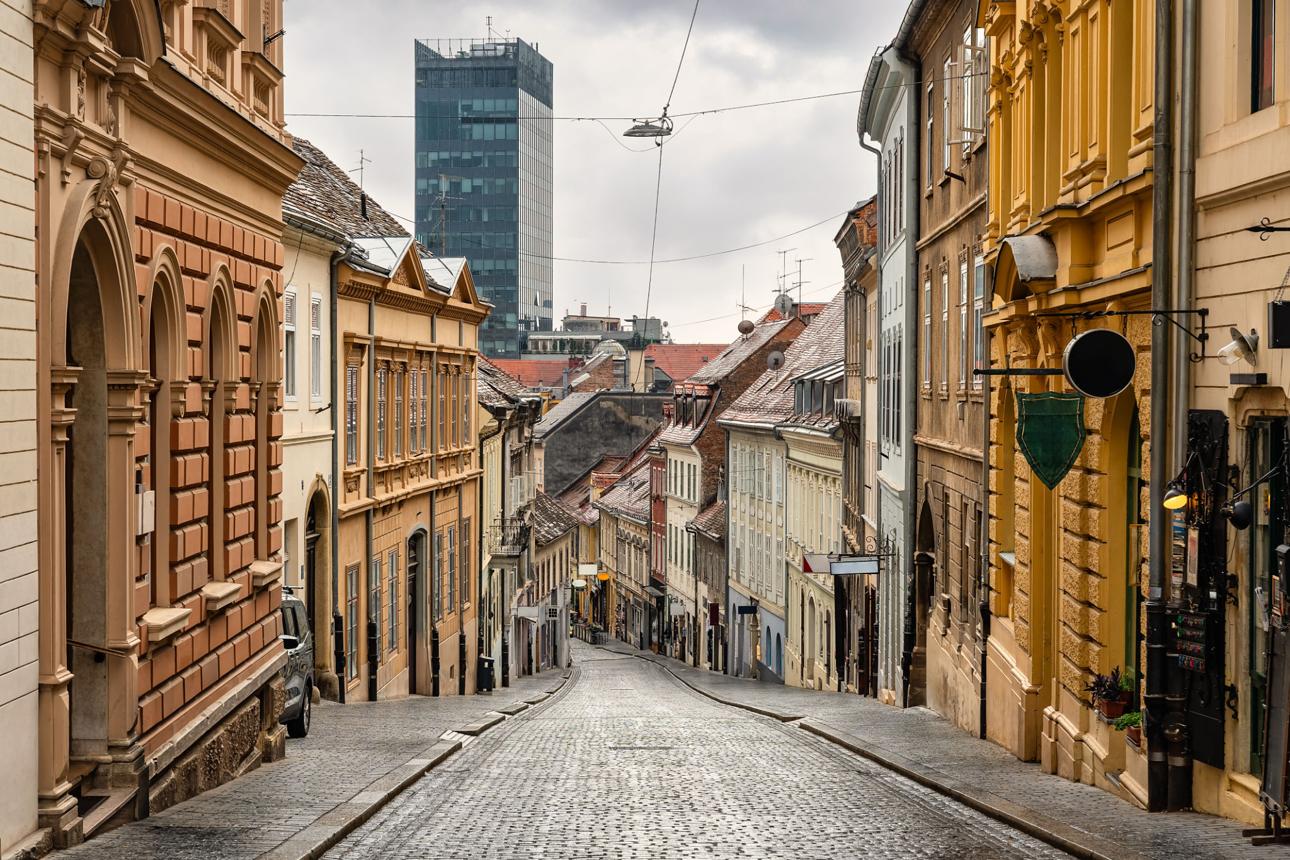
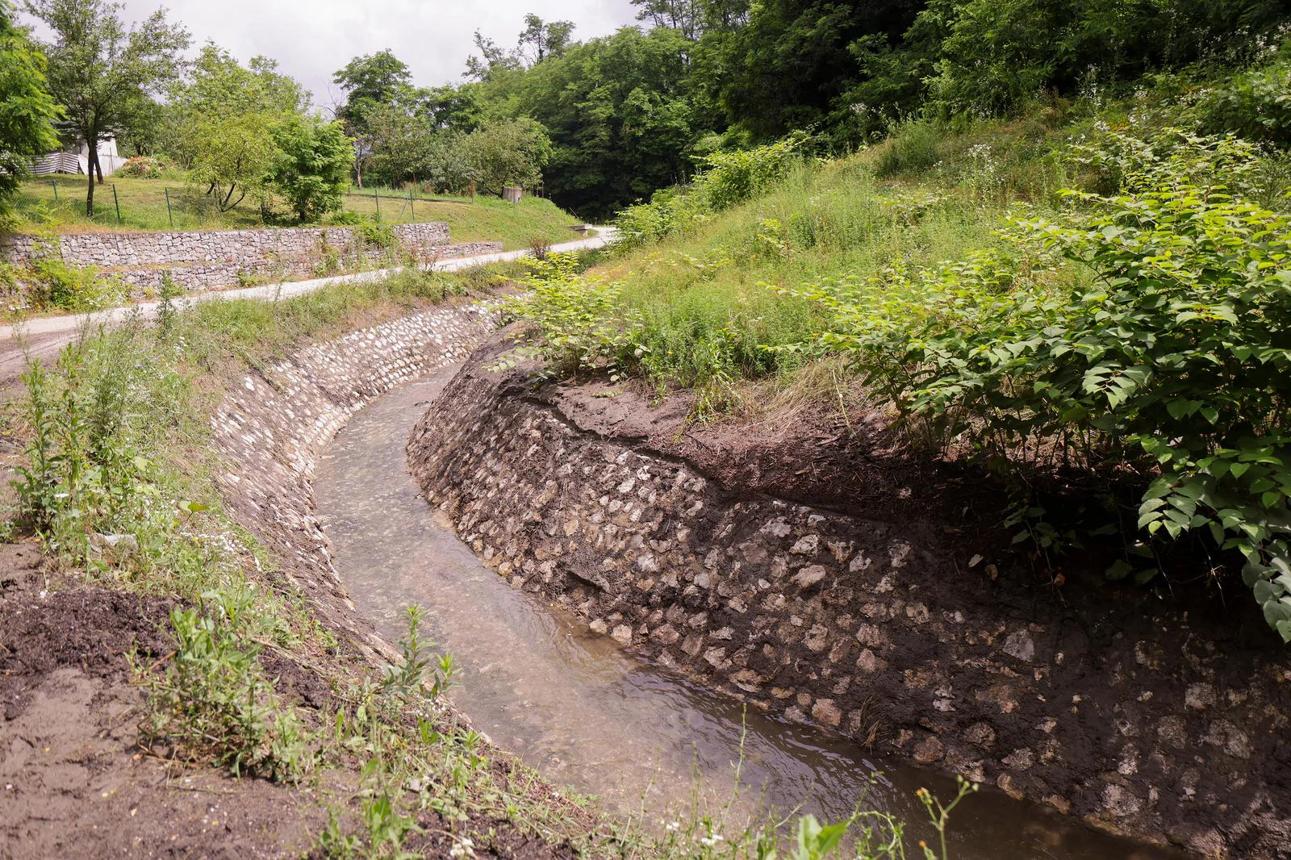
When we walk through Zagreb today, it is hard to imagine that the city was once crossed by numerous streams.
Before they were covered by streets and buildings, Zagreb’s streams were an important part of everyday life for its residents. They were used for water supply, powering mills, and meeting the daily needs of citizens. One of the most famous was the Medveščak stream, which flowed through the area of today’s city center for centuries. Old Zagreb developed precisely along this stream, and its waters powered numerous mills. Today, most Zagreb residents walk above these former waterways without being aware of it. Streets such as Medveščak serve as a reminder of a time when nature played a much greater role in urban life.
Even more interestingly, some of these streams have not disappeared at all — they are simply hidden underground. They still exist today in the form of regulated underground waterways. Zagreb is therefore not only a city built on hills, but also a city built above its own hidden network of waterways.
7. The Legend of Zagreb Begins with Thirst – but the Story of Manduševac Has Several Versions
In the very heart of Zagreb lies one of the city’s most famous symbols – the Manduševac Fountain. Almost every Zagreb resident knows the legend about the origin of the city’s name.
According to the most famous version of the story, a Croatian ban was passing through this area with his army and was thirsty. When he saw a water spring, he said to a girl named Manda:
“Manda, scoop it up!”
According to the legend, the name Zagreb originated from that sentence.
Although historians consider this story to be a legend, it is deeply rooted in the city’s identity. Manduševac is not merely a decoration on the main square. For centuries, it represented a source of life and a gathering place for citizens. Before the introduction of the modern water supply system, springs such as Manduševac were essential for everyday life.
Interestingly, the fountain has changed its appearance several times throughout history and was even removed at one point, only to become one of Zagreb’s main symbols once again. Today, many visitors throw a coin into Manduševac for good luck, similar to the custom at famous European fountains. However, few people know that this tradition actually continues the city’s historical connection with its water sources.
8. Zagreb’s Upper Town Hides Traces of Life from Several Centuries Ago
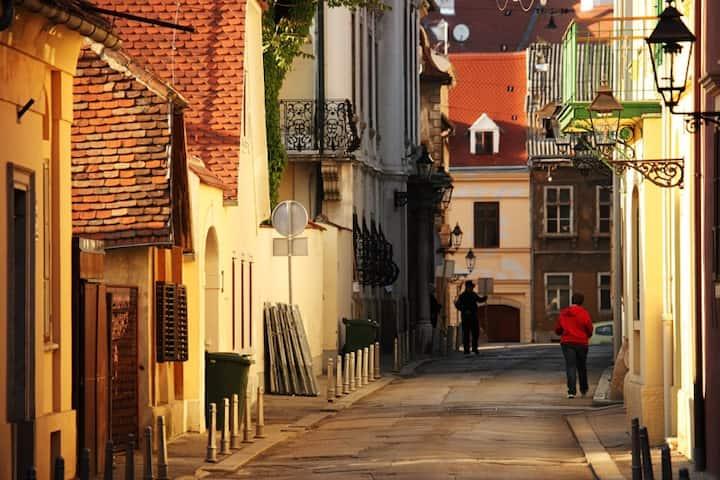
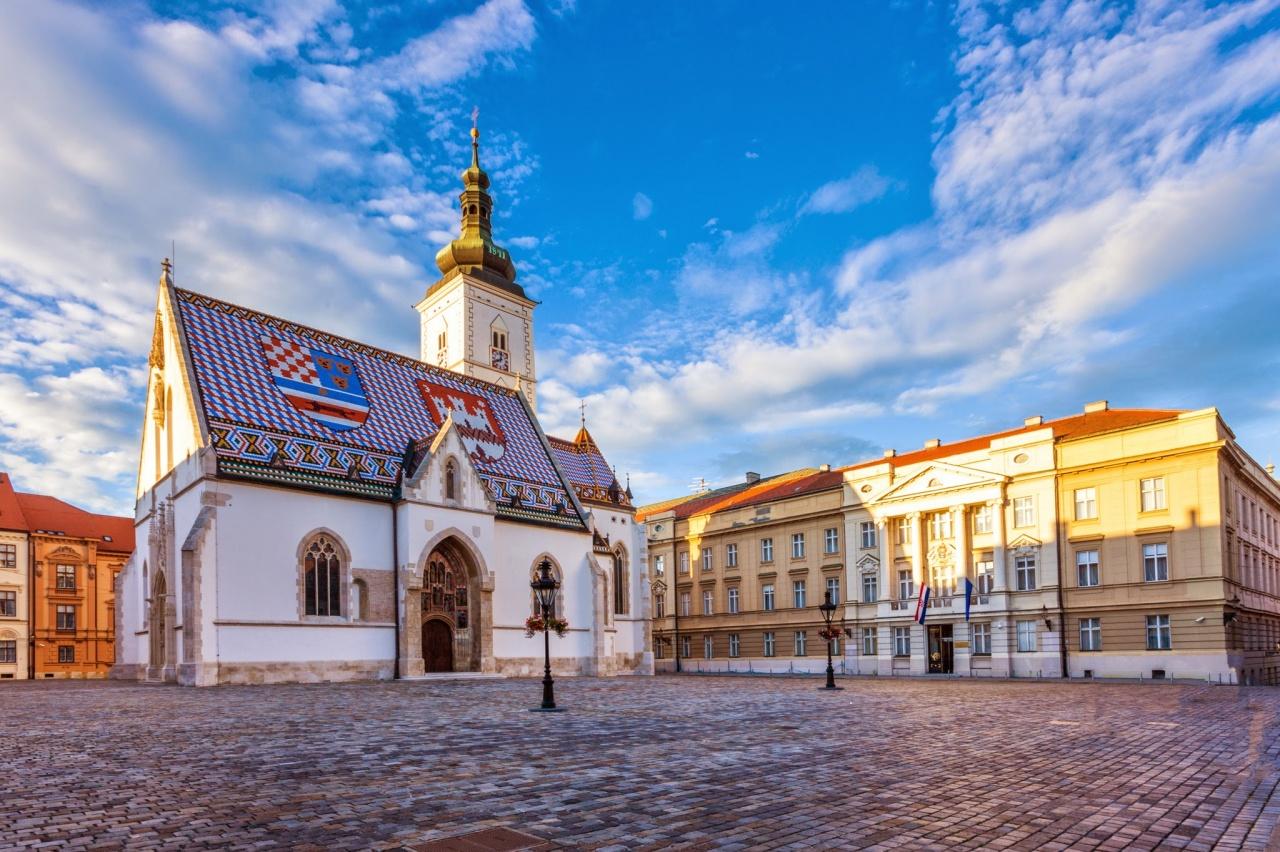
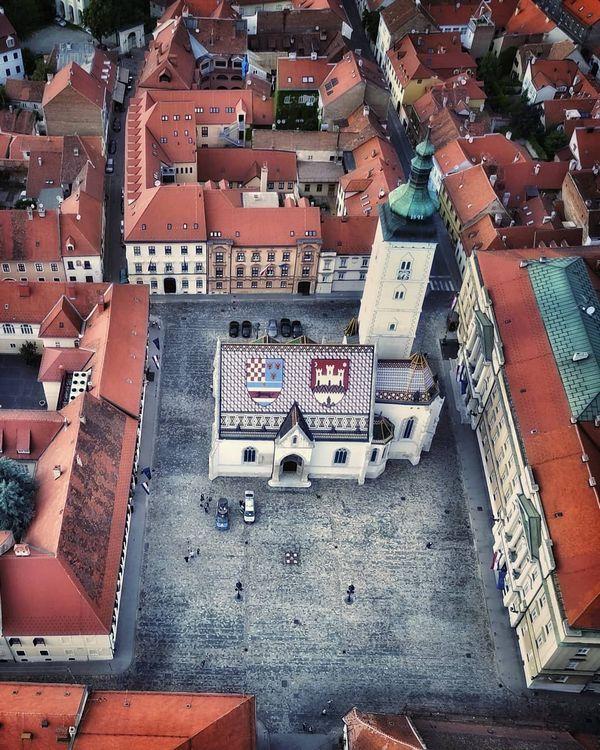
Zagreb’s Upper Town today is often seen as a romantic place for walking, taking photos, and enjoying views of the city. But behind its picturesque architecture lies the everyday life of past generations. For centuries, this was where nobles, craftsmen, politicians, and ordinary citizens lived. Every street has its own story.
For example, the area around St. Mark’s Square was once not only a political center but also a true small medieval settlement. People lived, traded, worked, and built a community here within the city walls.
One of the lesser-known details is that the layout of the Upper Town’s streets was not created according to modern urban planning principles. They developed naturally, following the terrain and the needs of the residents. This is why the Upper Town has a character different from the rest of Zagreb – somewhat irregular, but charming precisely because of it. As you walk through its streets, you are actually walking through the same spaces where generations of Zagreb residents walked before you.
If you would like to explore this historic part of the city in more detail, we also recommend a dedicated walk through the Upper Town that reveals its history, architecture, and lesser-known stories.
9. There Are Places in Zagreb That Look Like They Belong to Another Era
One of Zagreb’s greatest secrets is the fact that, in the middle of a modern city, you can still find almost forgotten corners. These are not necessarily major tourist attractions, but small places with a unique atmosphere.
A good example is the old residential entrances of the Lower Town. From the outside, they look like ordinary building entrances, but behind them there are often beautiful inner courtyards, old staircases, gardens, and architectural details that most passersby never notice.
There are also old industrial areas that tell the story of Zagreb as a working-class city. Areas with former factories serve as a reminder that Zagreb was not only a city of culture and politics, but also a place of production, craftsmanship, and industrial development.
Today, Zagreb continues this tradition through a new generation of freelancers, startups, and creatives who are building modern professional communities. For those interested in the city’s business scene, it is also useful to explore an overview of activities and events intended for freelancers and startups.
The special charm of Zagreb lies precisely in the constant meeting of the old and the new. A modern building can stand just a few meters away from a house that is more than a hundred years old. On one street, you can see the city’s future, while on another, its past.
That is what makes Zagreb special.
10. Zagreb’s Greatest Secret Is That You Can Never Fully Get to Know It
Perhaps Zagreb’s greatest secret is not a single specific place. It is not a hidden tunnel, an old building, or a legend. Zagreb’s greatest secret is its ability to constantly change.
The city we know today has been shaped over centuries. Each generation has left its mark – from the medieval walls of Gradec and Kaptol, through Austro-Hungarian architecture, to modern neighborhoods that continue to grow every day. Zagreb is not a city that is simply visited. Zagreb is a city that is explored.
You can live here for years, walk the same streets, and still discover something new every day.
Maybe it is an old plaque on the façade of a building that you have never noticed before. Maybe it is a small passageway you have never walked through. Maybe it is a story from older residents who remember a city that no longer exists. It is precisely in these small details that the true spirit of Zagreb is hidden.
FAQ – Frequently Asked Questions About Zagreb’s Hidden Secrets
What are the most hidden places in Zagreb?
The most hidden places in Zagreb include old city courtyards, underground passages, lesser-known courtyards of the Upper Town, traces of old streams, and historic locations that are not part of the usual tourist routes.
What is interesting to see in Zagreb besides the famous attractions?
Besides the Cathedral, Ban Jelačić Square, and Tkalčićeva Street, it is worth exploring the Grič Tunnel, the Upper Town, old passageways, hidden courtyards, and lesser-known historical locations.
What are the most famous Zagreb legends?
Among the most famous Zagreb legends are the story of the city’s name origin, the legend of Manduševac, stories about the Grič Cannon, and many tales connected with old Gradec and Kaptol.
Why is Zagreb special?
Zagreb is special because it combines Central European architecture, rich history, hidden urban spaces, and modern city life. Its greatest value lies in the layers of the past that are still visible today.
Conclusion: Zagreb Is Not Just a City You See – It Is a City You Discover
Zagreb is much more than its main squares, famous streets, and tourist attractions. Its true value lies in the stories that are not written in large letters.
These are stories about old courtyards, hidden waterways, legends, people, and events that have shaped the city.
The next time you walk through Zagreb, try to look at it differently. Raise your eyes toward the old façades. Peek into the passageways. Walk through streets you may have never explored before. Because Zagreb does not reveal its greatest secrets to those who are merely passing by.
It reveals them to those who truly want to get to know it.