


Mindfulness practices for remote workers that actually work
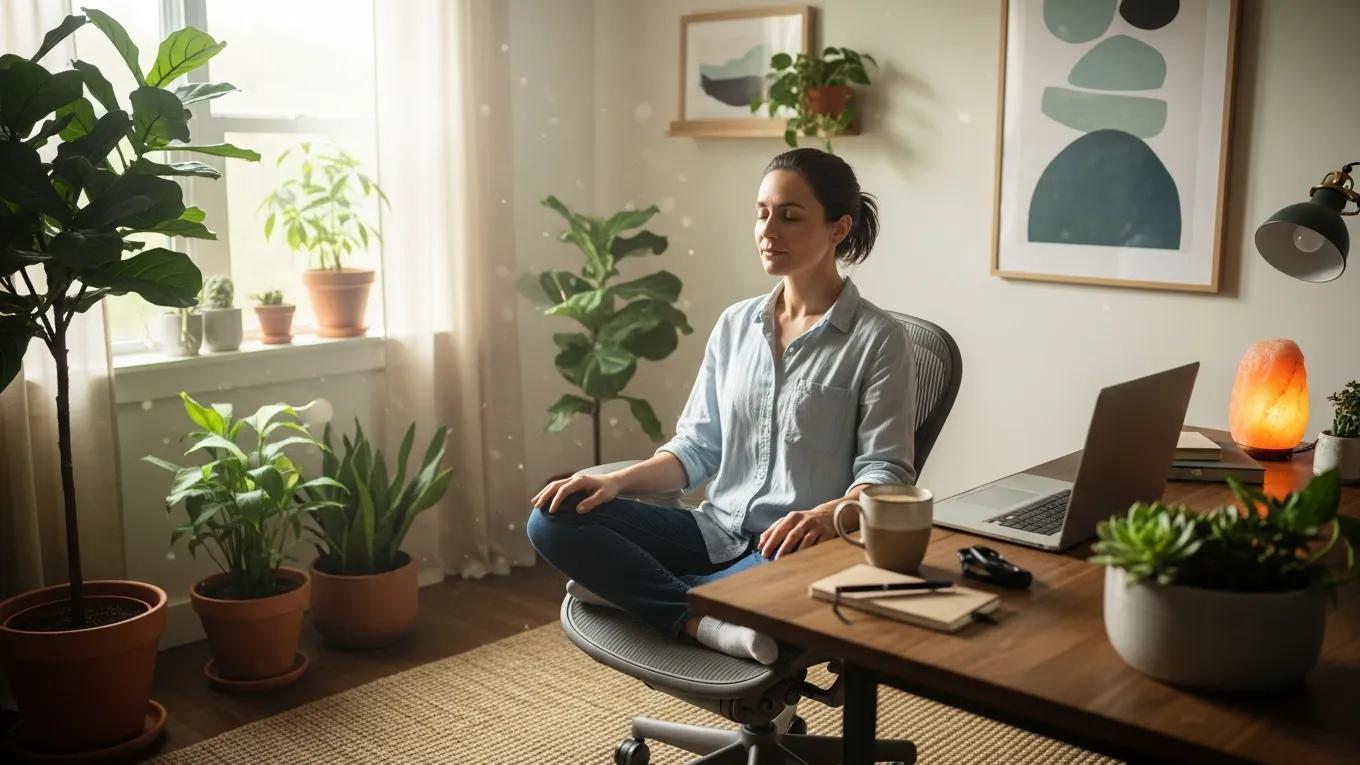
Mindfulness for Remote Workers: Techniques for Stress, Focus, and Productivity
Remote work has become the standard for many professionals, but along with the benefits of flexibility come serious challenges. Prolonged sitting in front of screens, a lack of clear boundaries between work and private life, and reduced social interaction can negatively affect mental health.
Because of this, an increasing amount of research is focusing on mindfulness practices for remote workers, which help reduce stress, improve focus, and maintain psychological stability.
Mindfulness, or present-moment awareness, is not a trend but a practical tool that enables us to better manage our attention and emotions during the workday.
Mindfulness Improves Mental Health and Productivity in Remote Workers
This study aimed to evaluate the effectiveness of the Mindfulness and Compassion Against COVID-19 intervention program (IMACOCO), an online mindfulness-based intervention (MBI), in improving mindfulness, mental health, well-being, and productivity among employed individuals during the COVID-19 pandemic. Additionally, the study examined the program’s effectiveness in individuals directly affected by the pandemic through a randomized controlled trial and pre- and post-program comparisons.
“An online mindfulness-based intervention program improves mental health, well-being, and productivity,” T. Maeno, 2024.
What is mindfulness in the context of remote work?
Mindfulness in remote work means consciously directing your attention to the task at hand without distractions or automatic stress reactions.
In practice, this includes:
- focusing on one activity at a time (single-tasking)
- consciously noticing stress without reacting impulsively
- controlled use of digital devices
- short breaks for mental resets
This approach is especially important for remote workers, who are often exposed to multitasking and constant digital interruptions.
Why is mindfulness important for remote workers?

Boundaries between work and rest become blurred.
The most common problems include:
- increased stress and anxiety
- feelings of isolation
- reduced concentration
- digital fatigue
- burnout
That is why mindfulness is becoming a key tool for the mental health of remote workers, as it helps regulate stress and restore focus.
4-7-8 Breathing for Reducing Stress and Anxiety
This scoping review aimed to systematically map and synthesize empirical evidence on the physiological and psychological effects of the 4-7-8 breathing technique, a structured slow-breathing method that involves inhaling for 4 seconds, holding the breath for 7 seconds, and exhaling for 8 seconds. The review was conducted in accordance with PRISMA-ScR guidelines and included 15 studies published between 2013 and 2024. These studies examined different populations and applied various methodological approaches. The findings were categorized into five main themes: (1) the effectiveness of the 4-7-8 technique in reducing stress and anxiety,
“Research on 4-7-8 breathing for stress relief and improved quality of life in chronic and degenerative diseases: a scoping review,” Y. Asri, 2025.
Breathing Techniques for Quick Stress Reduction
One of the simplest and most effective mindfulness methods is breathing techniques for stress and anxiety.
4-7-8 breathing technique
Inhale 4s – hold 7s – exhale 8s
This technique activates the parasympathetic nervous system, which helps the body relax.
Benefits:
- reduces stress within minutes
- improves focus quality
- helps with emotional regulation
- useful before important meetings or tasks
Regular practice of these techniques can significantly improve stress management in remote work.
Mindfulness Exercises for Focus and Productivity

One of the biggest challenges of remote work is maintaining concentration.
Pomodoro + mindfulness breaks
One of the most effective methods is combining the Pomodoro technique with mindfulness breaks:
- 25 minutes of focused work
- 5 minutes of mindful break without screens
During the break:
- focus on breathing
- short stretching
- observing your surroundings without distractions
This method has been shown to increase the productivity of remote workers and reduce mental fatigue.
Digital Detox as a Tool for Mental Reset
One of the biggest problems in modern remote work is constant availability.
Digital detox does not mean completely disconnecting from technology, but rather:
- planned breaks from screens
- turning off notifications
- an “offline hour” after work
- avoiding checking emails in the evening
Benefits of digital detox:
- better sleep
- reduced anxiety
- greater emotional stability
- improved long-term productivity
Organization of the Workspace and Mental Health
The environment in which we work has a direct impact on stress and focus.
An optimal home office includes:
- sufficient natural light
- a tidy and minimalist space
- an ergonomic chair and desk
- plants or natural elements
- a clearly defined “work corner”
When the workspace is not structured, the brain remains in a constant “work mode” state, which increases stress.
Coworking Spaces as Support for Mindfulness
Coworking spaces such as Cowork Zagreb are becoming an important tool for the mental health of remote workers.
Benefits of coworking:
- reduced feelings of isolation
- clear boundary between work and private life
- professional working atmosphere
- social interaction and networking
- structured workday
For many remote workers, a coworking space acts as a “mental reset” that restores focus and motivation.
Preventing Burnout in Remote Workers
Burnout is one of the biggest risks of remote work.
Most common causes:
- excessively long working hours
- lack of breaks
- unclear work boundaries
- constant digital availability
Prevention strategies:
- regular mindfulness breaks
- clearly defined working hours
- realistic daily goals
- physical activity
- social connection
Research shows that mindfulness interventions can significantly improve mental health and reduce stress in remote workers, especially when practiced consistently.
How Does Mindfulness Increase Productivity?
Mindfulness not only reduces stress but also directly improves work efficiency.
When a person is focused and calm:
- they make better decisions
- they make fewer mistakes
- they complete tasks faster
- they have greater creativity
- they procrastinate less
In other words, mental health and productivity are directly connected.
Best Everyday Mindfulness Habits for Remote Workers
If you want a simple starting point, try introducing these habits:
- 5 minutes of breathing before starting work
- 1 mindfulness break every 60–90 minutes
- no phone for the first 30 minutes in the morning
- a short walk without screens
- ending the day with a “shutdown ritual”
These small changes can have a big long-term impact:
- Taking Breaks: Regular breaks help reduce stress and increase productivity.
- Setting Boundaries: Clearly defining working hours helps maintain a balance between work and private life.
- Peer Support: Networking with colleagues can provide emotional support and reduce feelings of isolation.
The Harmful Impact of Remote Work on Well-being
Remote work, as a form of work organization, can have negative effects on professionals, their colleagues, and their overall well-being.
“How working in a coworking space and setting boundaries affect the well-being of remote workers,” 2025.
Conclusion: Sustainable Remote Work Starts with Mental Health
Remote work can be extremely productive and healthy — but only if stress and focus are actively managed.
Mindfulness practices for remote workers are not a luxury, but a tool for the long-term sustainability of remote work.
Through simple breathing techniques, focused work blocks, digital detox, and a healthy work environment, it is possible to achieve:
- lower stress
- better focus
- higher productivity
- more stable mental health
For those who want additional structure and a social component, coworking spaces can be an ideal solution.
CTA
If you work remotely and want a better work environment, more focus, and less stress — a coworking space could be your next level of productivity.
Coworking spaces, such as Cowork Zagreb, offer a community that can provide emotional support and mental health resources.
Frequently Asked Questions
How can I start with mindfulness practices as a remote worker?
To begin with mindfulness practices, it is recommended to introduce simple breathing techniques, such as 4-7-8 breathing, which you can practice daily. Also, schedule short mindfulness breaks during your workday, where you focus on your breathing or do light stretching. Introducing these small changes can significantly improve your concentration and reduce stress. Start with five minutes of mindful breathing before starting work to prepare for the day.
What are the benefits of coworking spaces for remote workers?
Coworking spaces offer numerous benefits for remote workers, including reduced feelings of isolation and a clear boundary between work and private life. These spaces enable social interaction and networking, which can improve emotional support. Additionally, the professional atmosphere in coworking spaces can increase motivation and productivity by providing a structured workday that is often missing when working from home.
How can digital detox help reduce stress?
Digital detox helps reduce stress by allowing planned breaks from screens and decreasing digital overload. Turning off notifications and setting “offline hours” after work can improve sleep quality and emotional stability. These strategies help restore focus and reduce anxiety, allowing you to relax better and recharge for the next workday.
What are the best mindfulness techniques for increasing productivity?
One of the most effective techniques for increasing productivity is combining the Pomodoro technique with mindfulness breaks. This method includes 25 minutes of focused work followed by a 5-minute mindful break without screens. During the break, focus on breathing or light stretching. This practice helps maintain high levels of concentration and reduces mental fatigue, resulting in higher productivity.
How can mindfulness help prevent burnout?
Mindfulness can significantly help prevent burnout through regular breaks and conscious stress management. Practicing mindfulness techniques, such as breathing exercises and mindful observation, helps reduce anxiety and improve emotional stability. Additionally, setting clear boundaries between work and personal time can prevent overload and allow proper rest, reducing the risk of burnout.
How does workspace organization affect mental health?
Workspace organization has a direct impact on mental health. A tidy and minimalist environment, with sufficient natural light and ergonomic furniture, can reduce stress and improve focus. A clearly defined “work corner” helps create a boundary between work and rest, which is essential for maintaining mental balance. Investing in a quality workspace can significantly improve productivity and overall well-being.