


My life as a digital nomad in Zagreb: where to stay, work, and connect
Living as a digital nomad in Zagreb has been one of the most enriching experiences of my remote-working journey. The city seamlessly blends affordability, culture, and modern amenities, making it an ideal base for remote professionals.
Finding accommodation in Zagreb: Where I stayed and what I learned
One of the first challenges I faced when relocating to Zagreb as a digital nomad was finding the right place to stay. Thankfully, the city offers a wide range of accommodation options: from modern serviced apartments and budget studios to longer-term rentals in residential neighborhoods.
Short-Term Stays
When I first arrived, I opted for a short-term rental via Flatio, a platform that’s incredibly well-suited for digital nomads.
They offer fully furnished apartments with flexible contracts—no need to sign a long-term lease or deal with local paperwork right away. Everything was ready for me: fast Wi-Fi, a workspace, and even weekly cleaning in some cases.
For stays of a few weeks to a couple of months, Airbnb is another common choice. Prices can vary depending on the time of year, but I found good deals especially in spring and autumn when tourism is quieter.
Long-Term Rentals: Living Like a Local
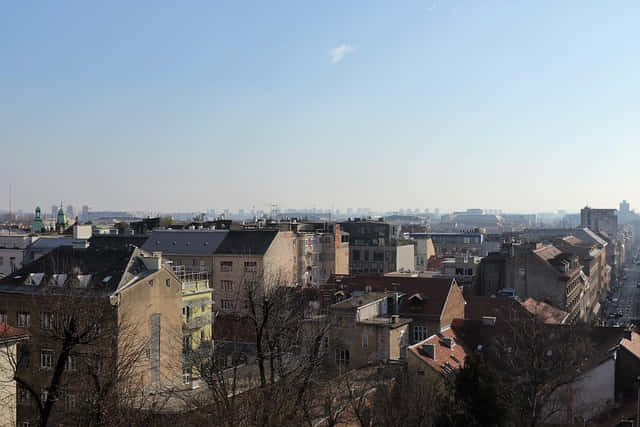
After a month of settling in and exploring the city, I decided to move into a more permanent one-bedroom apartment in the center of Zagreb. It cost around 524 € per month, which felt fair given the location and condition.
I used Njuškalo.hr (a local classifieds site) and Facebook groups like “Expats in Zagreb” and “Digital Nomads Croatia” to find listings and ask for advice. It’s worth noting that many landlords expect a deposit and sometimes even proof of income or a work contract, even for furnished units.
In terms of utilities, I paid around 227 €/month, which covered electricity, water, heating, internet, and building maintenance fees. Internet speeds were great—Zagreb’s digital infrastructure is surprisingly robust, even in older buildings.
Neighborhood tips
Here are a few areas I explored or considered living in:
- Donji Grad (Lower Town): Central, walkable, with lots of restaurants, cafés, and coworking spaces. Great for those who want to be in the middle of the action.
- Maksimir: More residential and peaceful, with beautiful parks and slightly cheaper rent. Ideal if you want green space and a quieter vibe.
- Trešnjevka: A popular local neighborhood, more affordable, and still well connected by public transport.
- Jarun: Near the lake, which is great for outdoor lovers. Slightly farther from the center but a fantastic quality of life.
A note on rental contracts
Many landlords are open to unofficial, cash-based rentals, but I recommend insisting on a written contract—especially if you’re applying for Croatia’s digital nomad visa, which may require proof of accommodation. Some rental agents and platforms can help with documentation.
Working remotely: coworking spaces
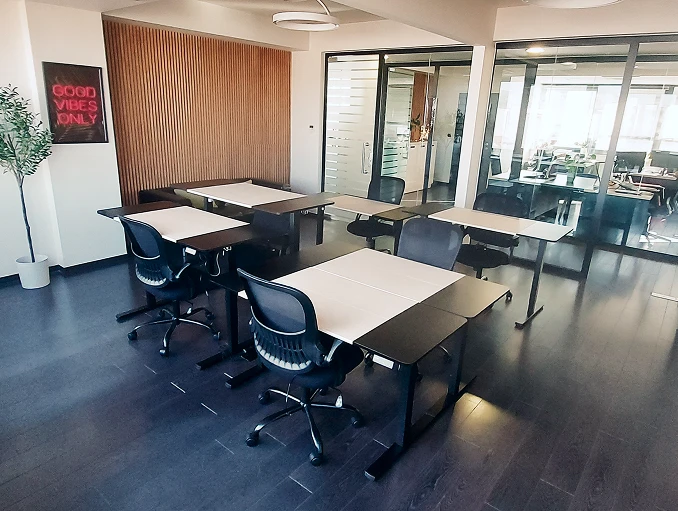
Zagreb boasts a robust digital infrastructure, ensuring reliable high-speed internet across the city. I often worked from Cowork Zagreb, a new and emerging coworking space known for its vibrant community and modern facilities.
As a digital nomad, I’ve learned that choosing the right workspace can make or break your productivity. I found the perfect fit at Cowork Zagreb.
It wasn’t just about having a desk and good Wi-Fi (though both were top-notch). What truly made the difference was the environment: inspiring, well-designed, and filled with people who genuinely love what they do.
Located in the heart of the city, Cowork Zagreb made my daily routine incredibly convenient. I could walk to most places, and the nearby tram connections made it easy to explore the city before or after work.
One of the biggest perks? The community. I quickly connected with other professionals, freelancers, and entrepreneurs—some of whom I’ve since collaborated with on projects. The regular networking events and casual coffee chats made it easy to exchange ideas and build lasting connections.
Cafés are abundant, but it’s worth noting that not all are conducive to working due to the local social culture. However, many establishments are welcoming to remote workers, providing a comfortable setting to get tasks done .
Dining and daily life
One of the perks of living in Zagreb is the affordable cost of living. A meal at an inexpensive restaurant typically costs around 7.21 €, while a cappuccino is about 1.77 €.
The city is walkable, and public transportation is efficient, with a monthly pass costing around 55.57 €.
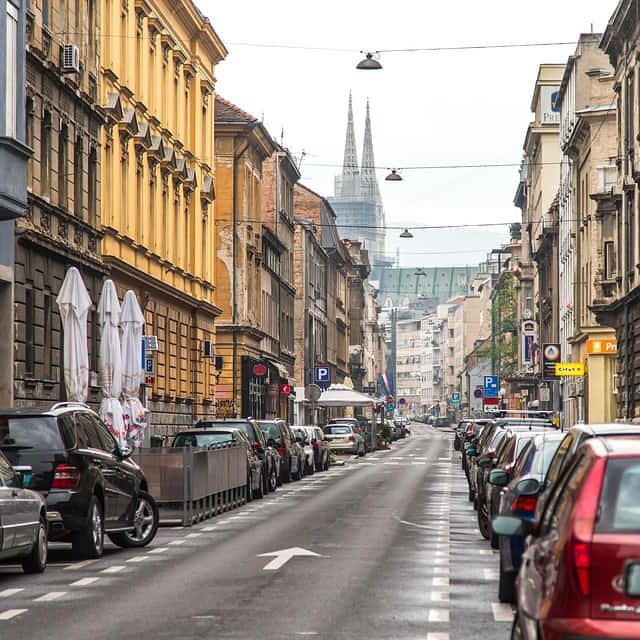
For groceries, local markets offer fresh produce at reasonable prices. I particularly enjoyed shopping at Dolac Market, where I could find everything and lots of local food.
Embracing the culture
Zagreb is rich in cultural experiences. From historic sites and museums to vibrant festivals and a dynamic nightlife, there’s always something happening.
I had the pleasure of attending the INmusic Festival, which showcased a mix of international and local artists, creating an unforgettable experience.
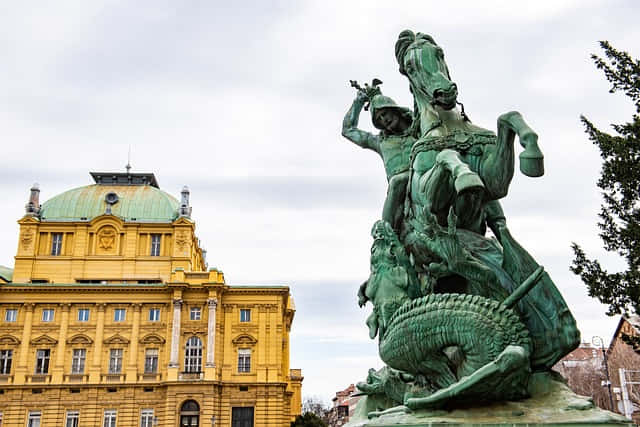
The city also hosts various events throughout the year, including the Advent in Zagreb Christmas market, which transforms the city into a winter wonderland.
Navigating the Digital Nomad Visa
One of the reasons I chose Zagreb as my remote base is because Croatia introduced a digital nomad visa in 2021, making it easy for non-EU/EEA nationals to stay and work remotely here for up to a year.
The application process was surprisingly straightforward. You’ll need to prove remote income (around 2,539 €/month), show proof of accommodation, have valid health insurance, and provide a clean background check.

I applied online before arriving, and the process took a couple of months, but everything was clearly outlined and manageable.
A major perk? Digital nomads are exempt from Croatian income tax on foreign income during their stay.
If you’re thinking of applying or just want to check the details, I highly recommend starting with the official government site here.
Building a community in Zagreb
One of the most fulfilling parts of my stay in Zagreb was the sense of community I found here. Unlike some bigger European capitals where you can feel like just another face in the crowd, Zagreb has a welcoming, tight-knit vibe that makes it easy to build genuine connections.
Digital nomad networks
Early on, I joined a digital nomad Facebook group—and it turned out to be one of the most valuable resources. The group was very active, with regular posts about upcoming meetups, coworking opportunities, accommodation tips, and even bureaucratic questions about the digital nomad visa.
Through this group, I discovered weekly coffee meetups, coworking days at different hubs around the city, and even a few casual wine nights and pub quizzes. There’s a nice mix of expats, freelancers, and long-term nomads, so conversations are always interesting.
Language exchanges & cultural events
To get a deeper sense of local culture and meet Croatians, I started attending language exchange events. These informal gatherings helped me improve my basic Croatian and meet locals who were just as curious about my culture as I was about theirs.
I also signed up for creative and professional workshops through platforms like Meetup and local coworking spaces. Zagreb has a surprisingly rich offering of classes—from photography and UX design to yoga and Croatian cooking.
Coliving & coworking connections
My time working from Cowork Zagreb also helped me meet more people. The environment there was friendly and collaborative, with spontaneous coffee chats often turning into longer conversations about travel, remote work tools, or local recommendations.
If you’re not naturally outgoing, joining a structured coworking space can give you just enough of a social anchor to start forming friendships.
Staying social
While I didn’t come to Zagreb expecting to build a community, I left with a tight circle of friends, some of whom I still travel and work with. From casual dinners in the old town to weekend trips to Plitvice or the coast, the friendships I formed here became the highlight of my Croatian experience.